Some believe that the bluebird is a symbol of joy and hope, or that good news will be arriving soon. Others think bluebirds represent a connection between the living and the dead.
Some Native American tribes consider the bluebird a spirit in animal form that symbolizes the dawn of a new day; others associate the friendly bird with the sun. The Iroquois believe that the bluebird is a harbinger of spring that fights off the evil demigod of winter, Tawiscaron.
According to folklore, many Native Americans hung dry gourds to entice bluebirds to nest near their settlements so they can enjoy their enchanting songs of happiness and hope. Just gazing upon one of the little flying cobalt creatures of contentment is said to bring joy. (Credit to https://www.livehappy.com/practice/the-bluebird-of-happiness for this information).
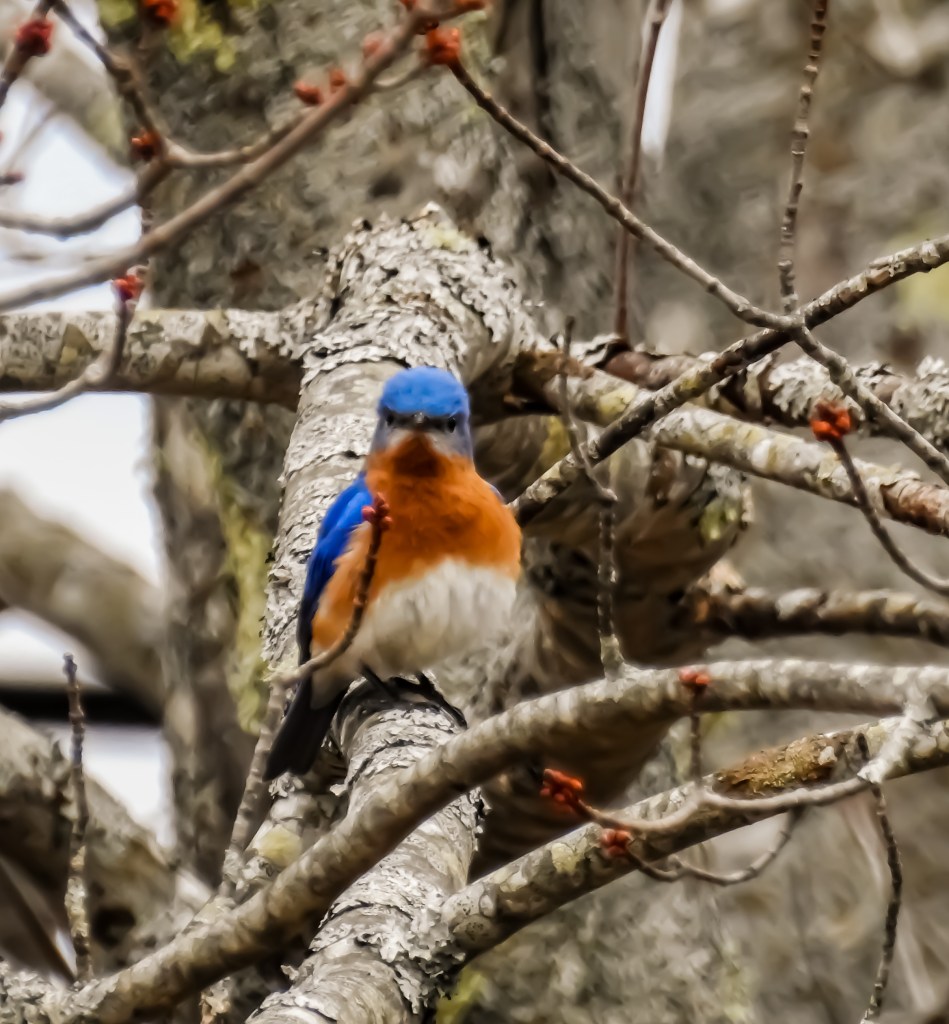
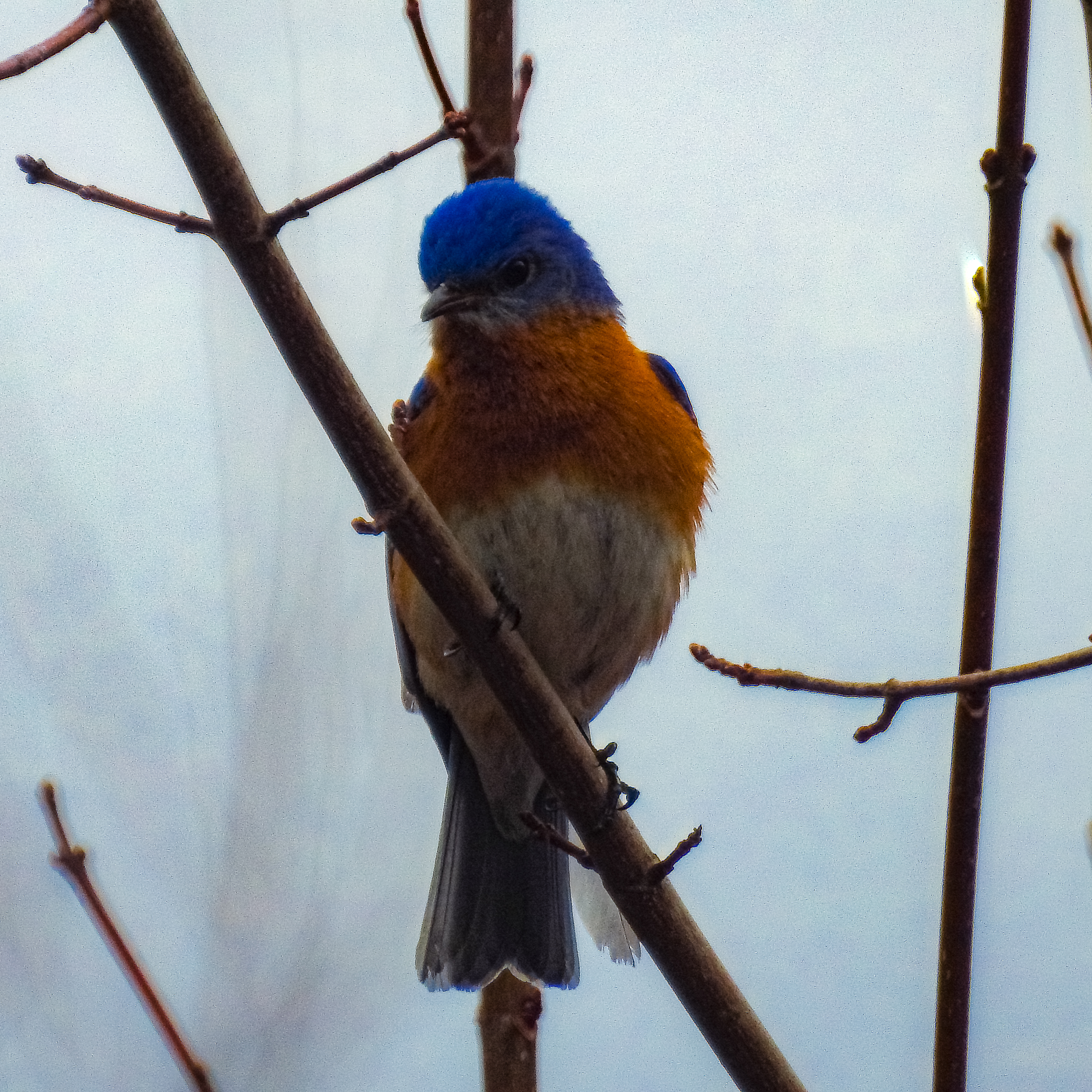
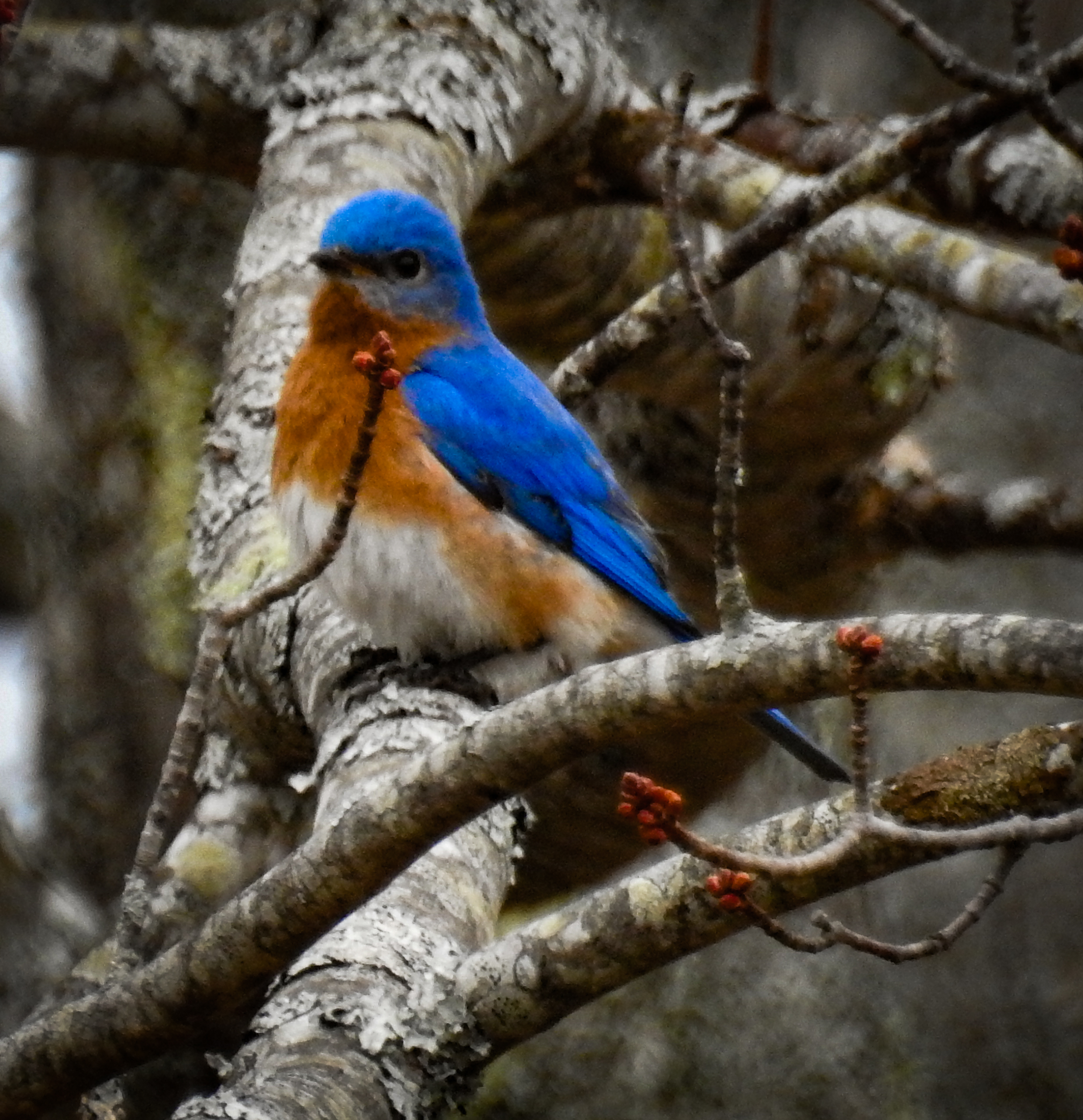
Today was the first time I have ever tried to photograph the Eastern Bluebird, which is a small North American migratory thrush.
Many of the photos that are displayed on this blog are not photos I frame or mat for sale. Often the photos here are ones that I determined were not quite up to snuff to sell, but still good enough to share.
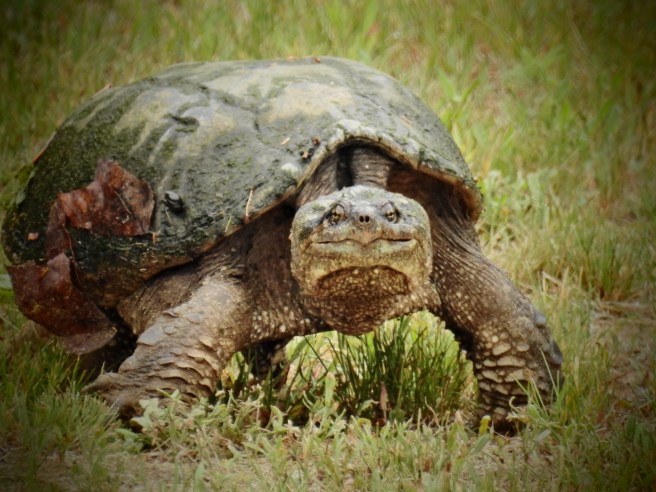
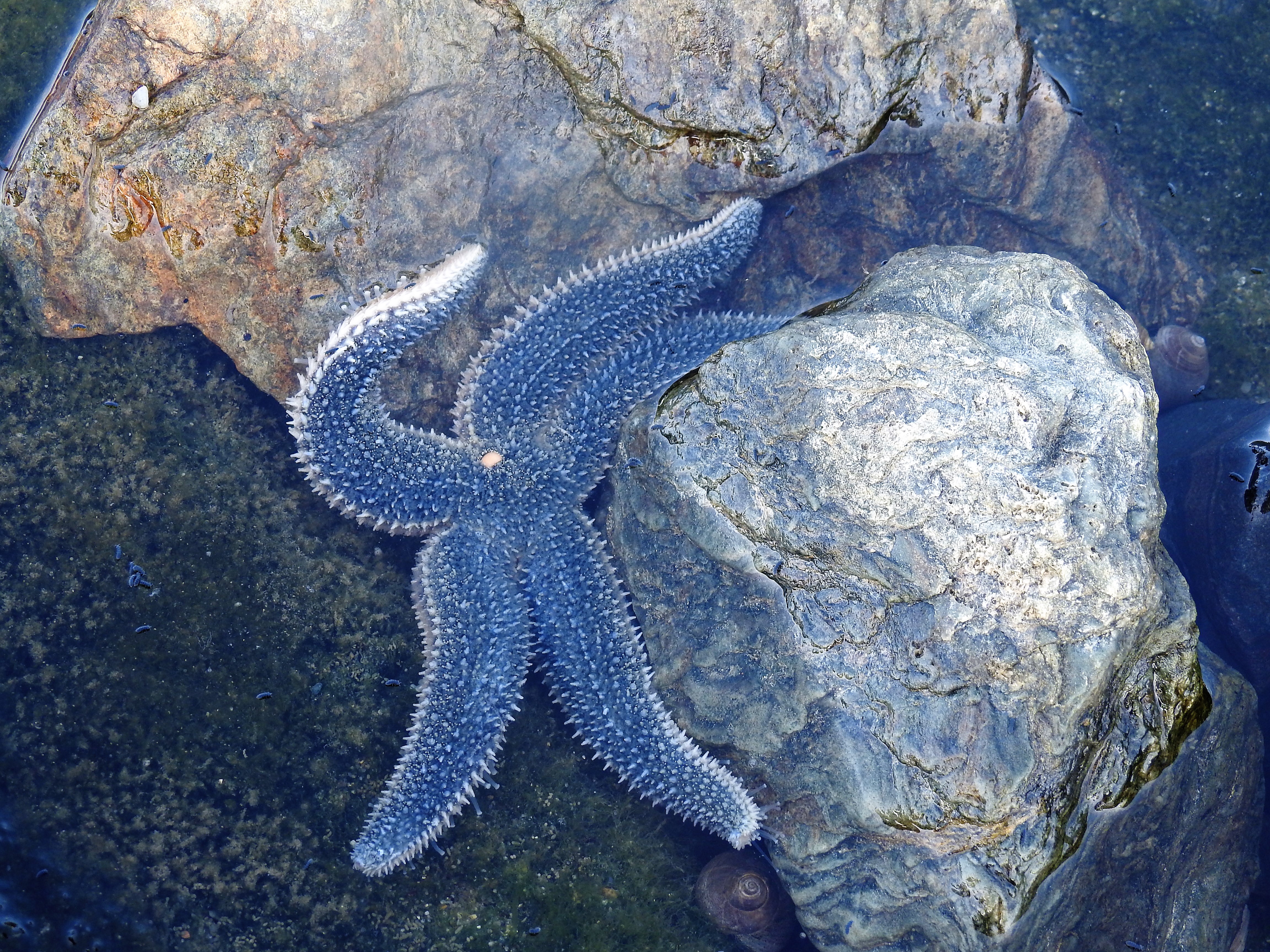
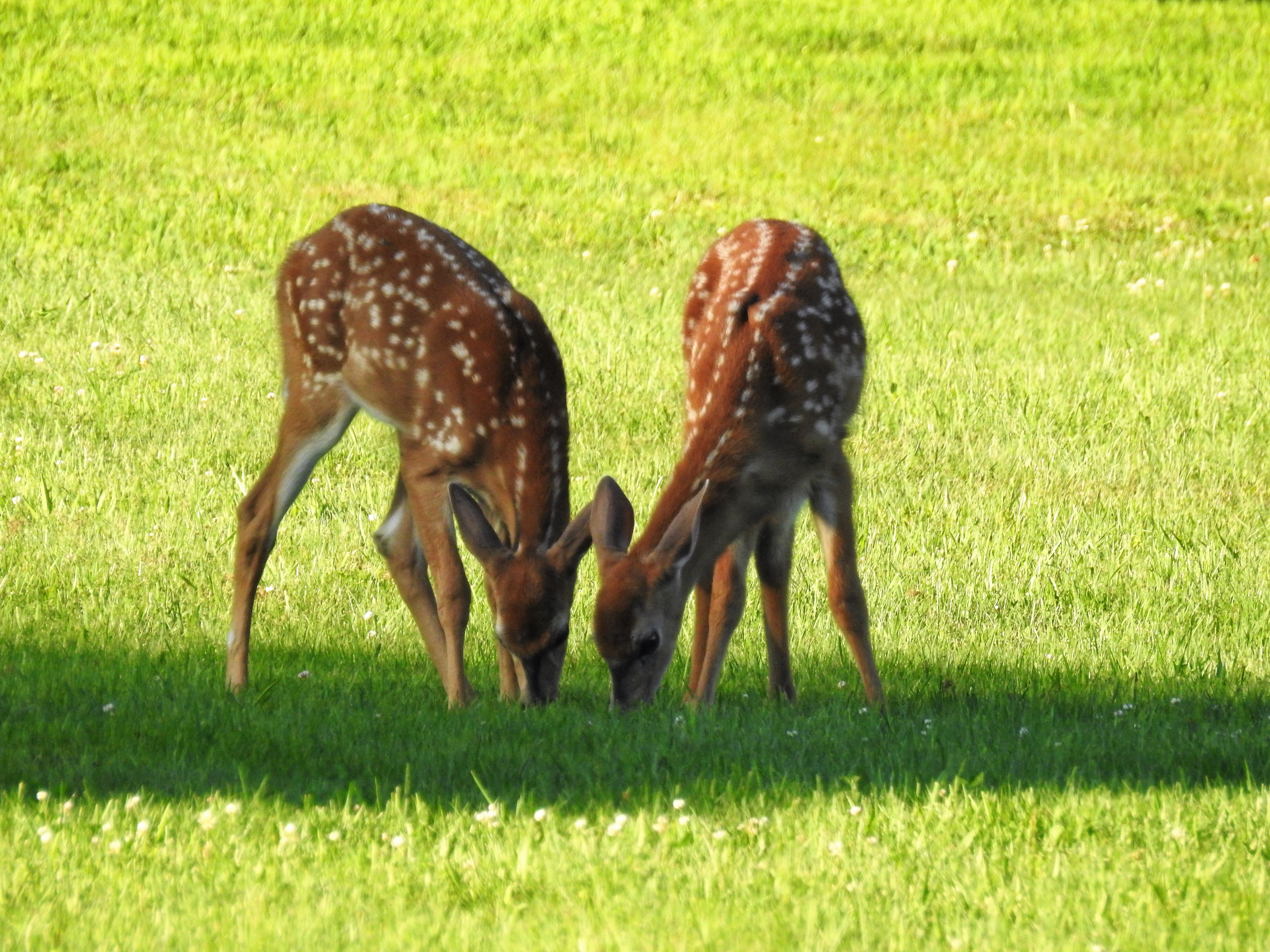
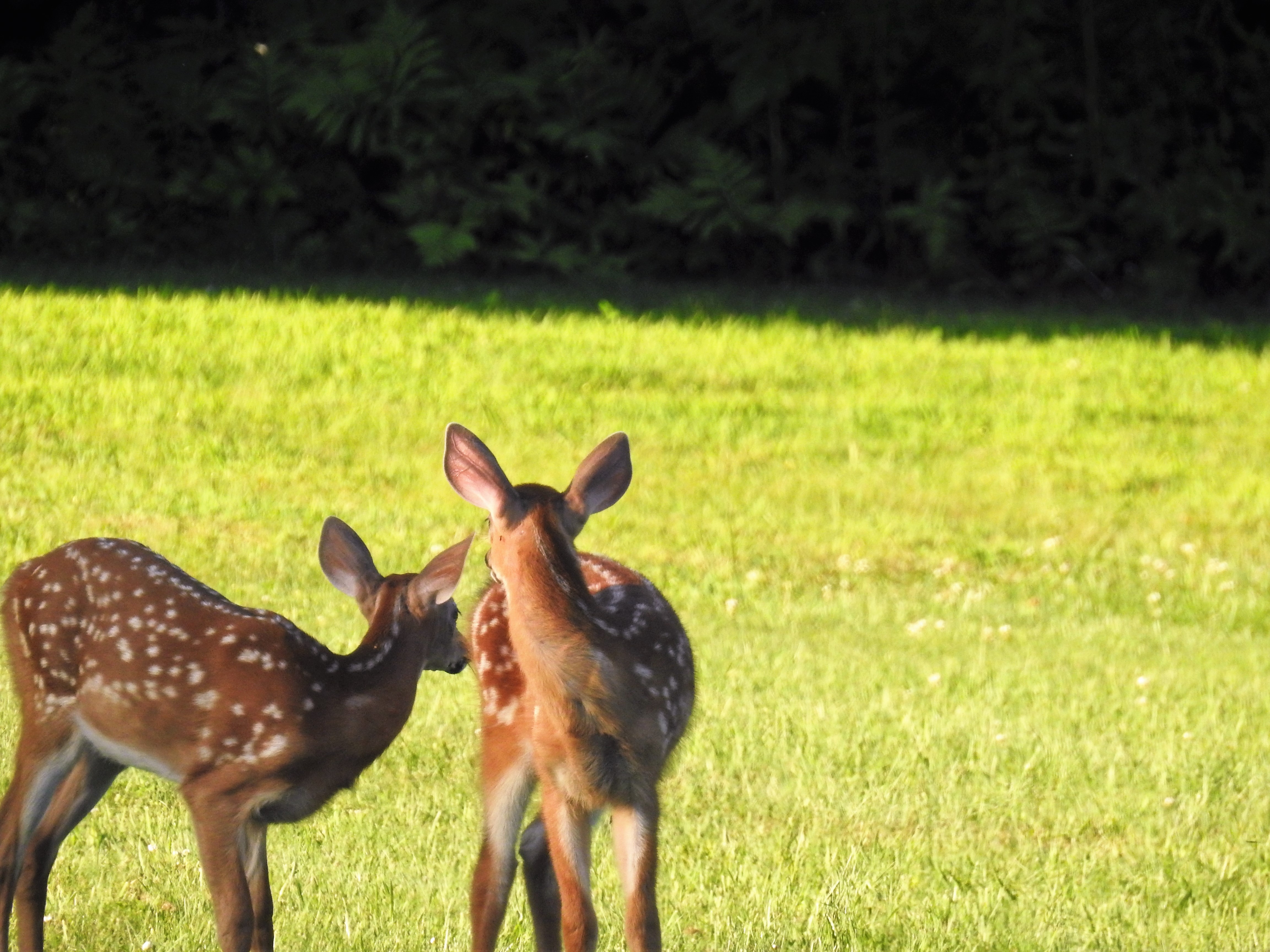
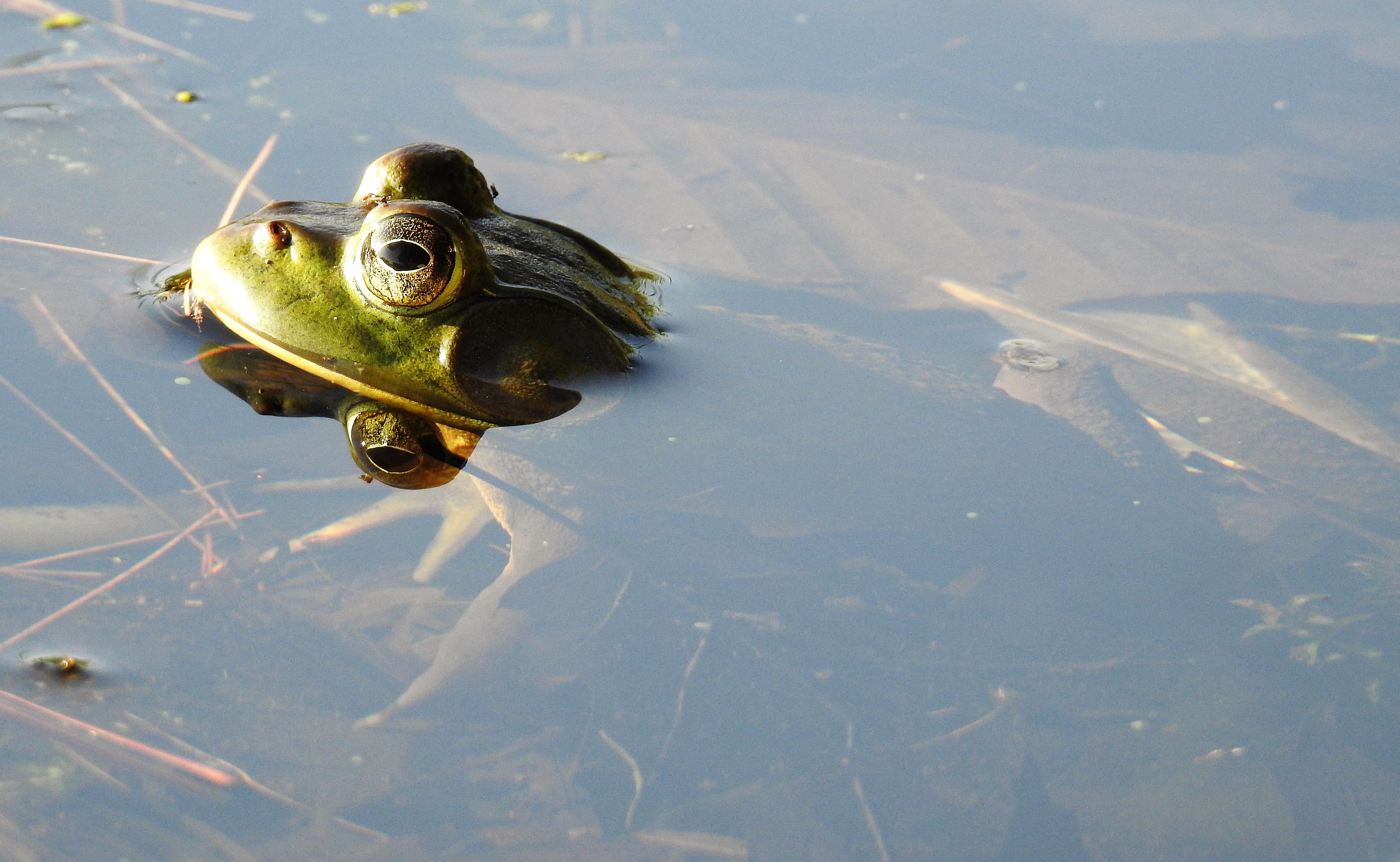
Sometimes my choices about what to print in hard copy are a matter of size constraints. For example, my photos of snapping turtles often need to be at least 16X20 or the image is cut off. Sometimes my choices are a matter of economics, as I am of course spending money on printing and framing items that may eventually live in my basement. I also have to judge what I think might interest people. My mother selected classic images – loons, cardinals, owls, fawns. I have a friend who loved a particular butterfly/flower image that did not interest me much. Another friend wanted one of my frog photos – on a 3×2 canvas. My youngest brother was particularly taken with a photo of painted turtles, almost certainly because we had two red-eared sliders growing up and the two species appear similar. Another friend was drawn to my starfish photo, and I’ve put it on a 16×20 canvas for him. Another friend wanted a 3×2 canvas of trees blanketed in fresh snow, with blue sky and sunlight behind. It has been in his office for at least three years. .
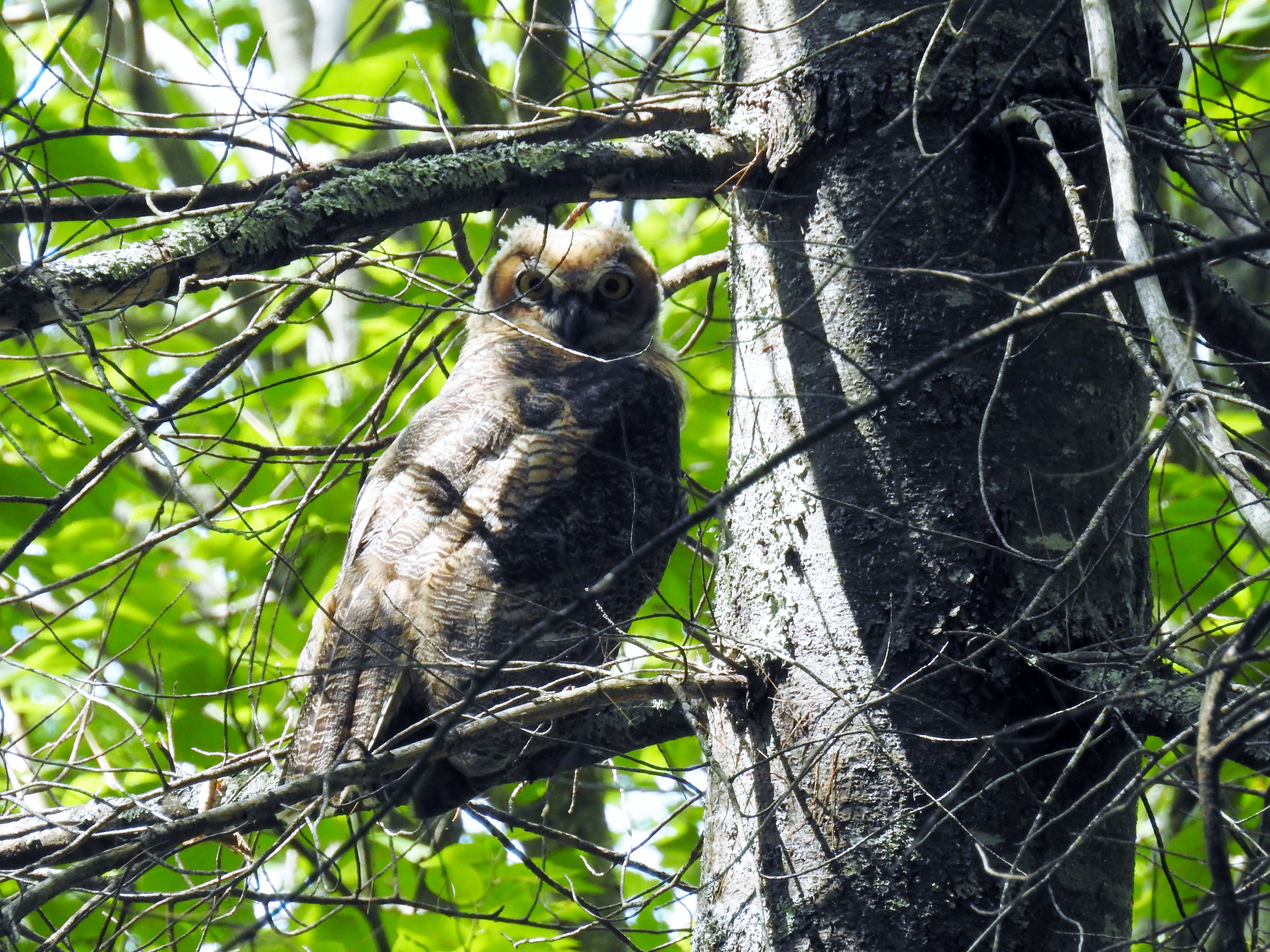
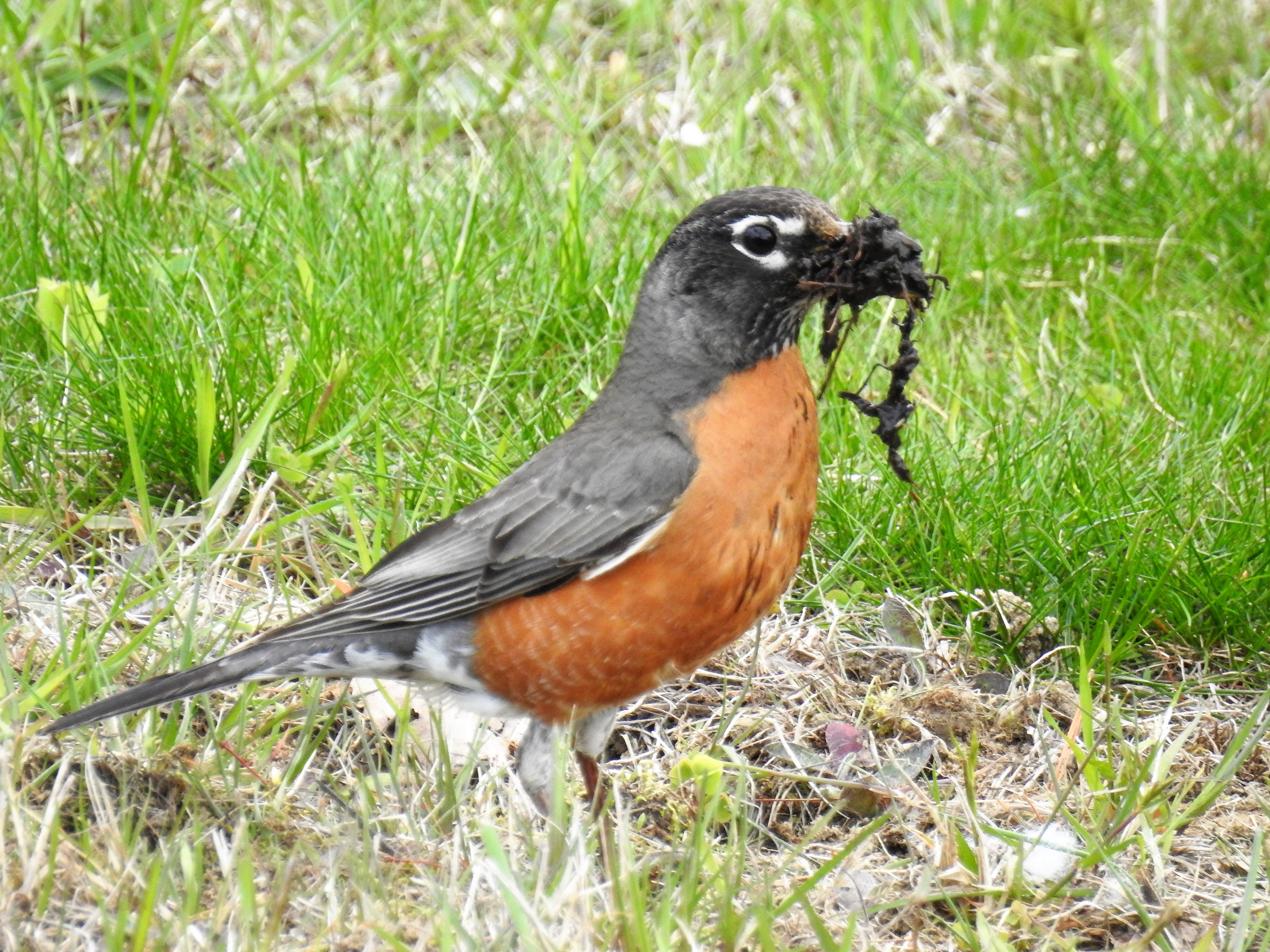
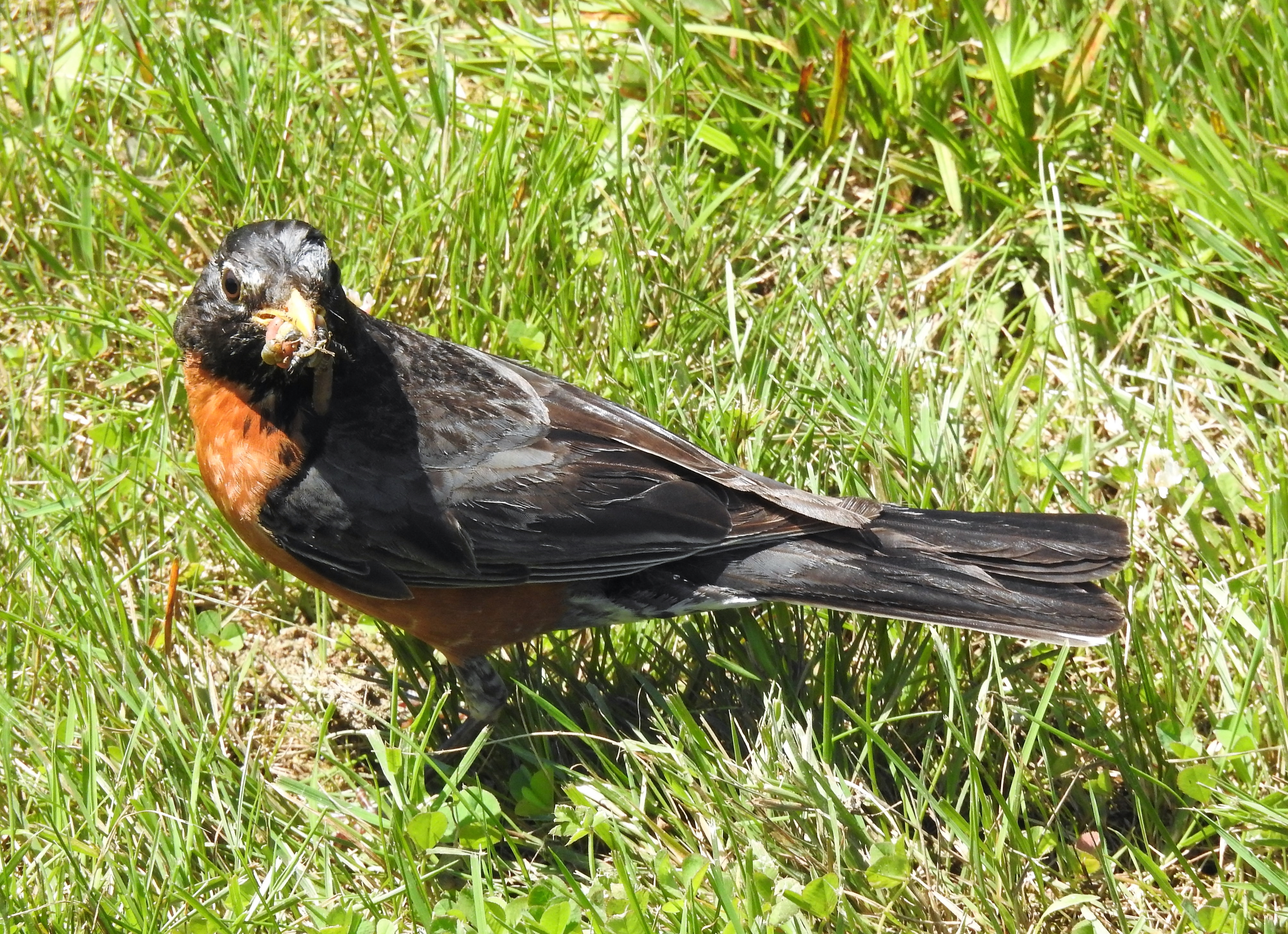
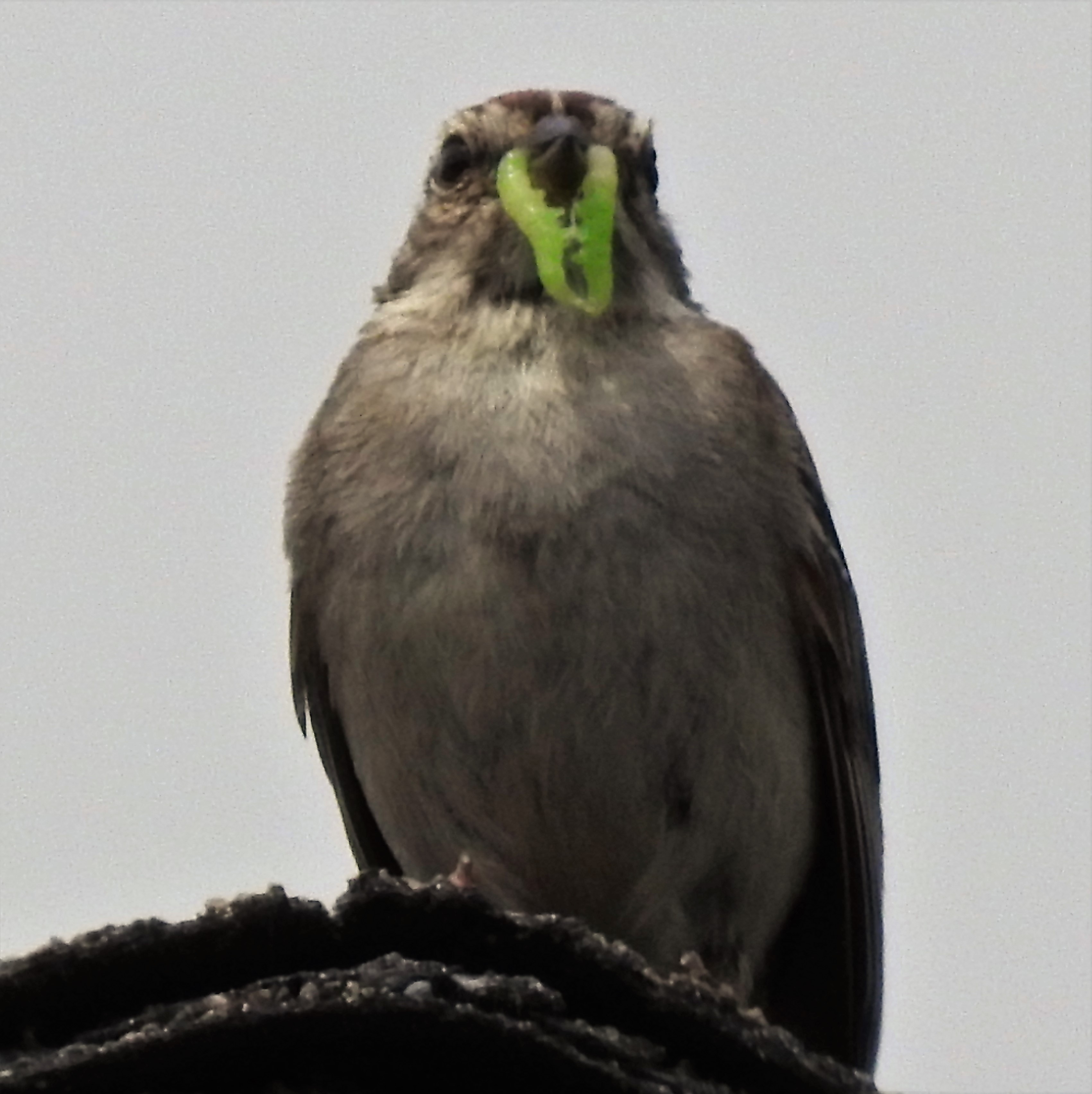
I find pictures of animals (owl, robin, phoebe, crow, osprey, seagull, heron) with food in their claws or beaks to be interesting, as we don’t often glimpse such things as we go about our days. I have about 8 different 3×2 canvases that rotate on the walls of my office depending on the season. Rock wall in autumn. Ice crystals on a winterberry bush. Popham, Reid, Katahdin, Moosehead. Great horned owl. Snapping turtle. Pileated woodpecker. Moonscapes. Landscapes. Four legs. Two wings. Hot-blooded and cold-blooded. Mountains and the coast. Forests and my backyard.
We are surrounded by the wonder of everyday creatures and the world they inhabit. I want to share that world with others. Yet I take pictures only for me. For the joy of it. For the peace. Photography is my mediation. When I am capturing an image, I am as focused as I once was hurtling down a hill on my bicycle. When I raise my camera to find my subject, I must force my breathing to be slow, steady, sometimes to stop so the camera doesn’t move. I do not have a tripod or a camouflage tent. My knees or a railing are my tripod. Sometimes I am shooting in a kayak, and I must time the wind and waves. I often shoot while I’m being spun in a slow circle. When I am taking photographs, my job, dogs, aches and fears recede for blissful moments.
I decided to place photos for sale not so that I can quit my “real” job. My goal, rather, is to share my images with anyone who might take a fancy to a particular shot, for whatever reason. My prices cover the cost of materials, but not much beyond that. Certainly not the time spent to take an image from the moment of capture to the point where it is ready for printing. Prices reflect the size of the photo as well as the format (matted only, framed, on canvas etc.) A matted 4×6 costs the same as a Big Mac with fries and a coke (about $8). Framed photos and canvases go for roughly $50 – $150. And if someone wants a particular photo but truly cannot afford it, we’ll figure it out.
Some of the photos available at The Art Walk Shop and Studio in Winthrop.
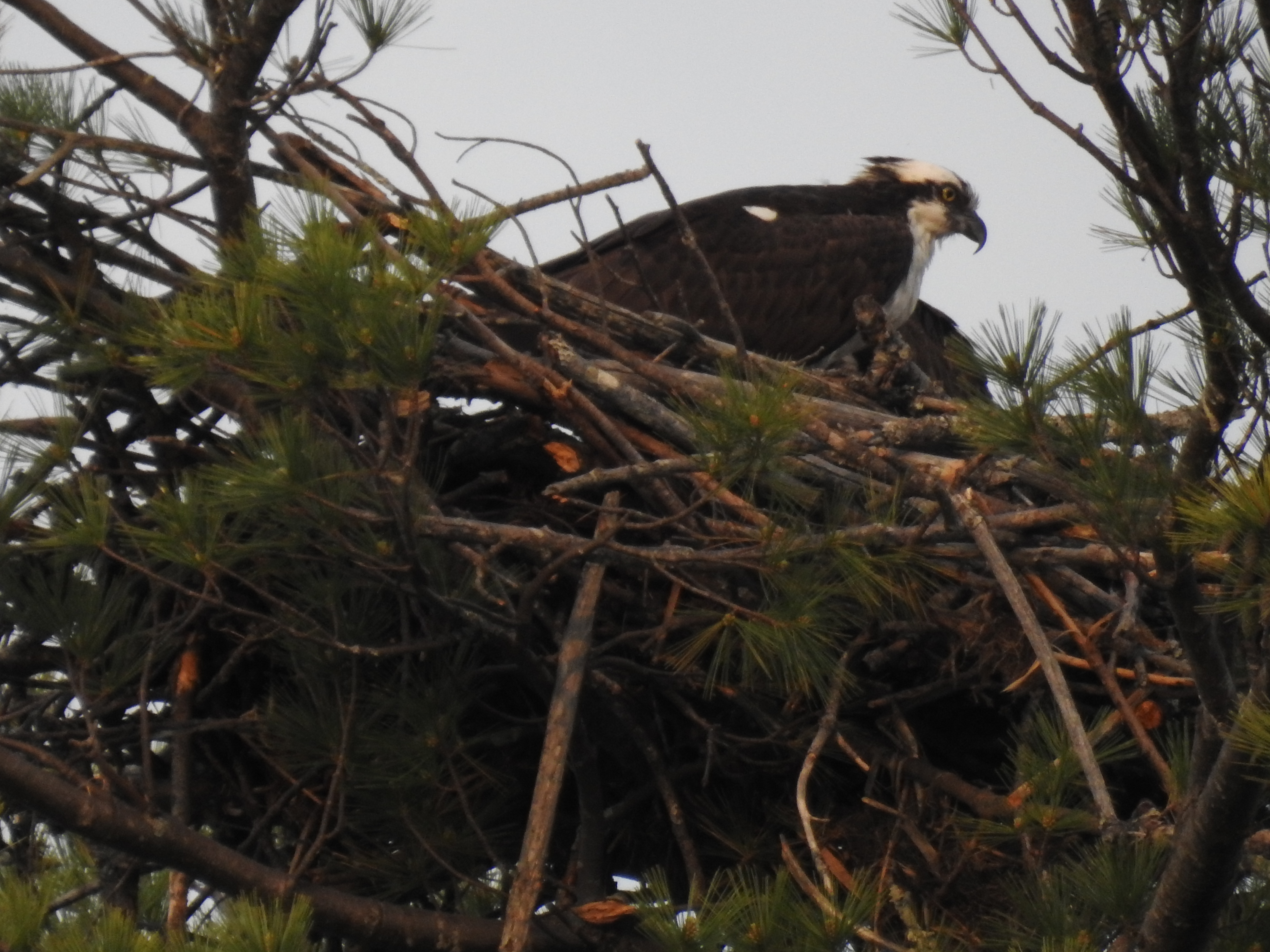
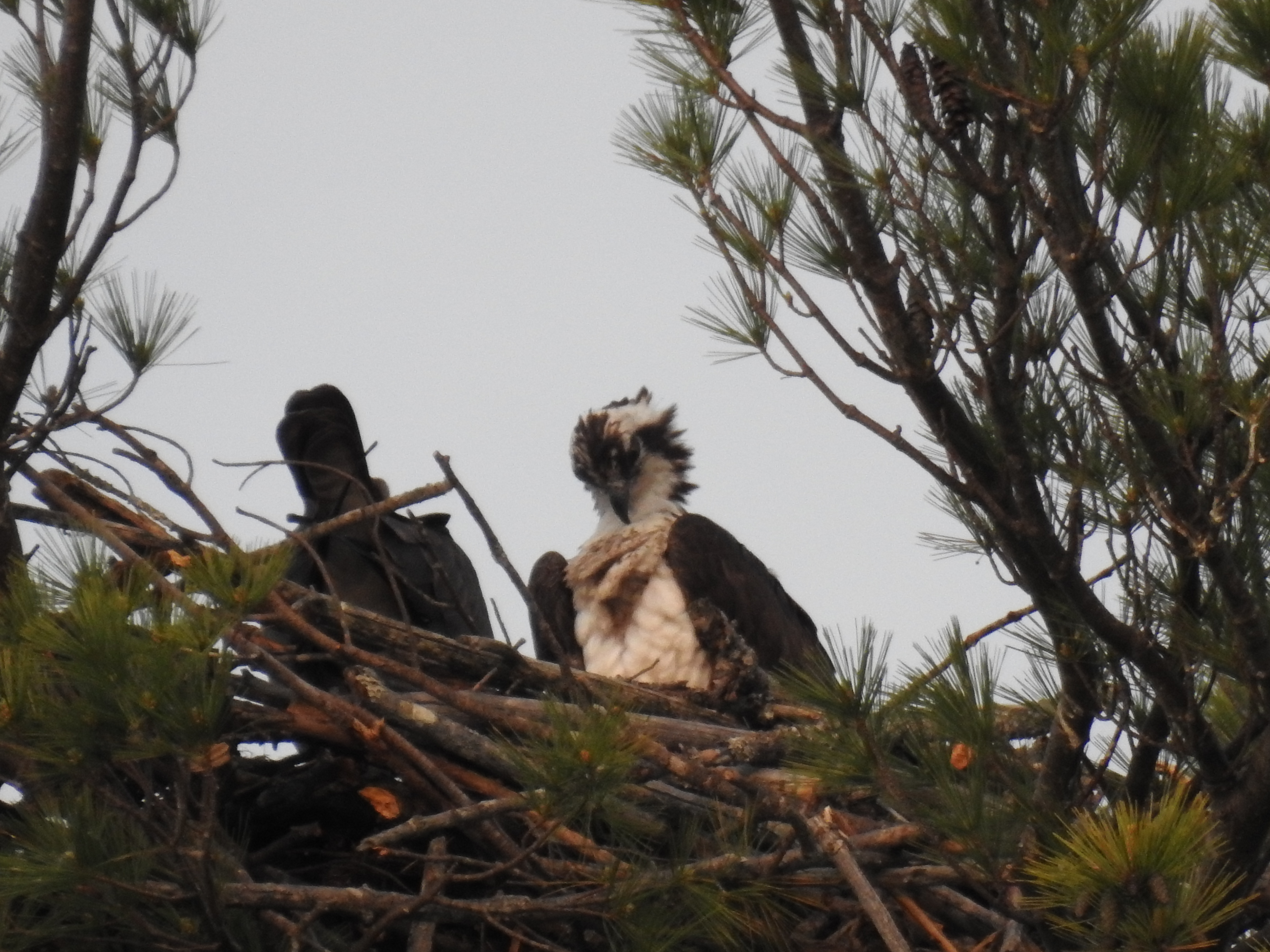
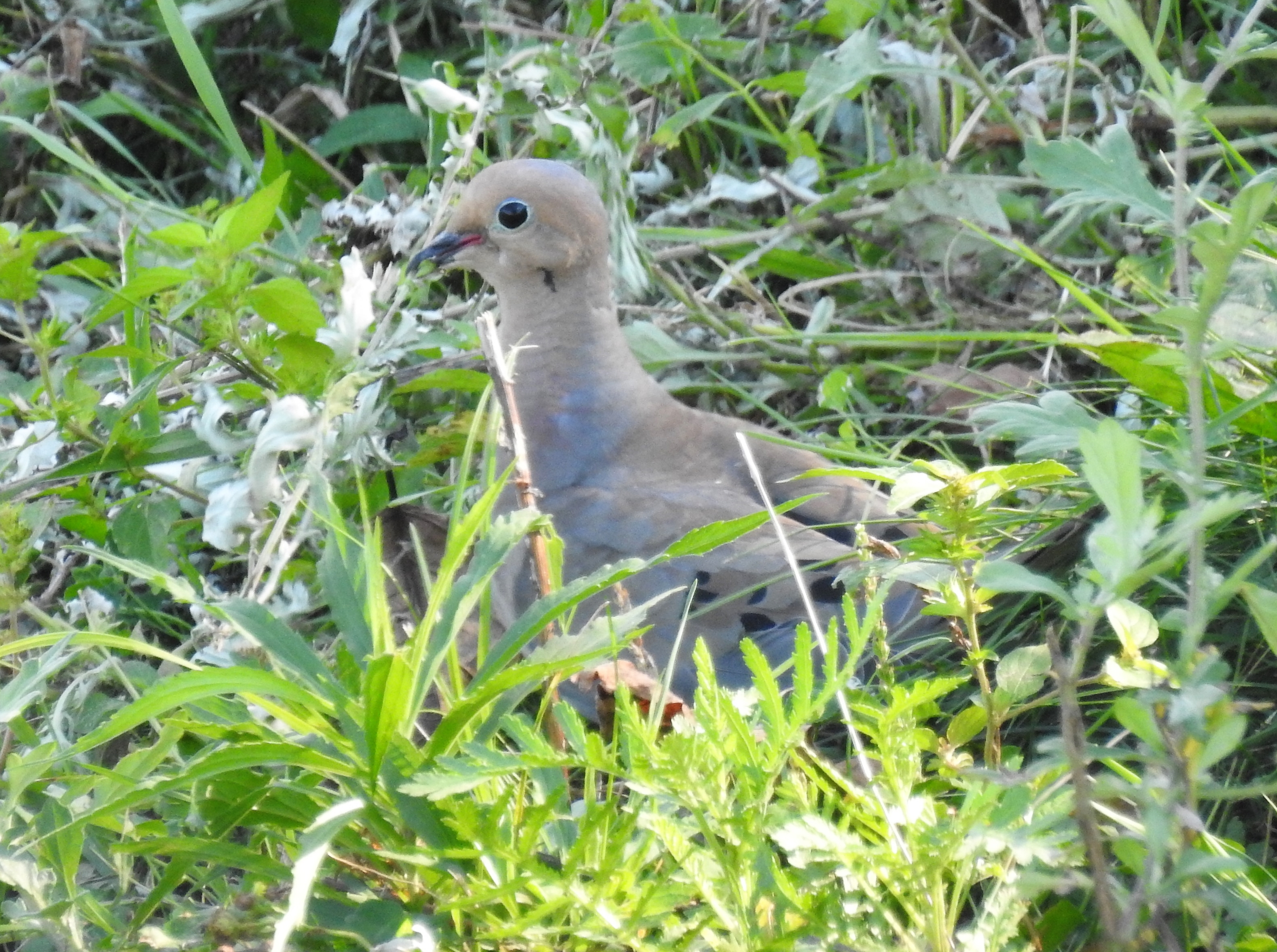
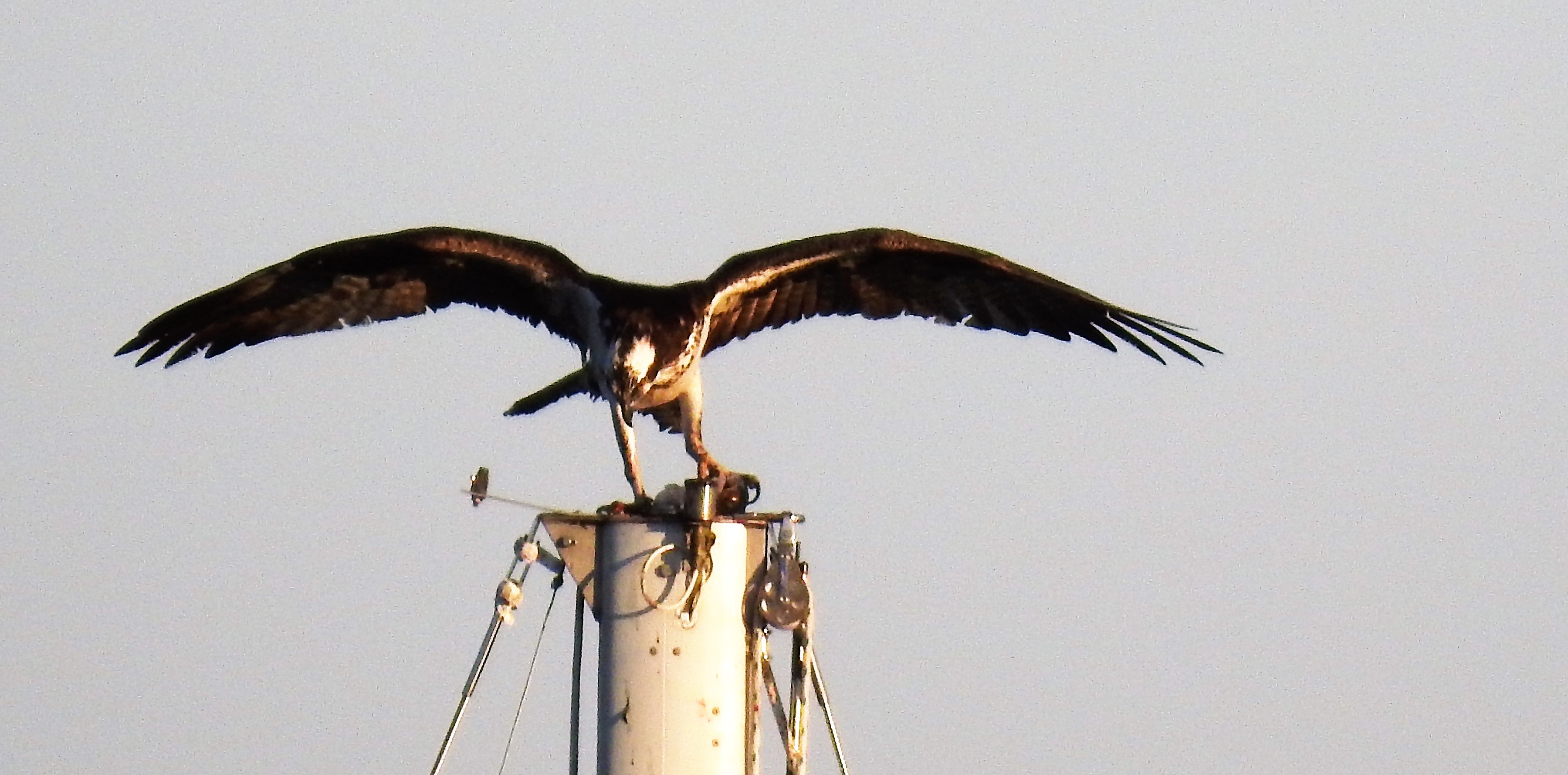
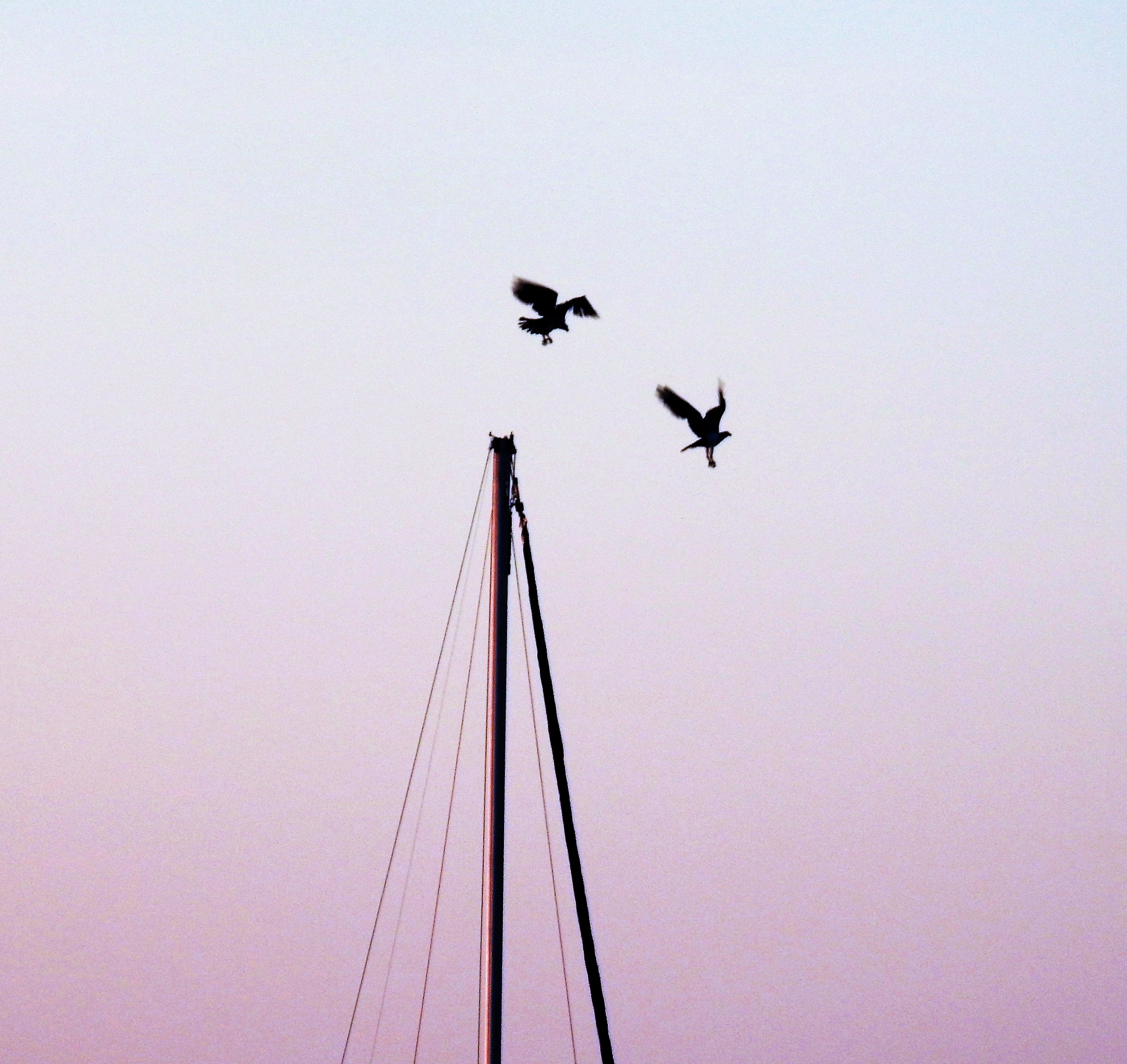
Every summer we watch an osprey nest. Look carefully for the smaller bird in each photo.
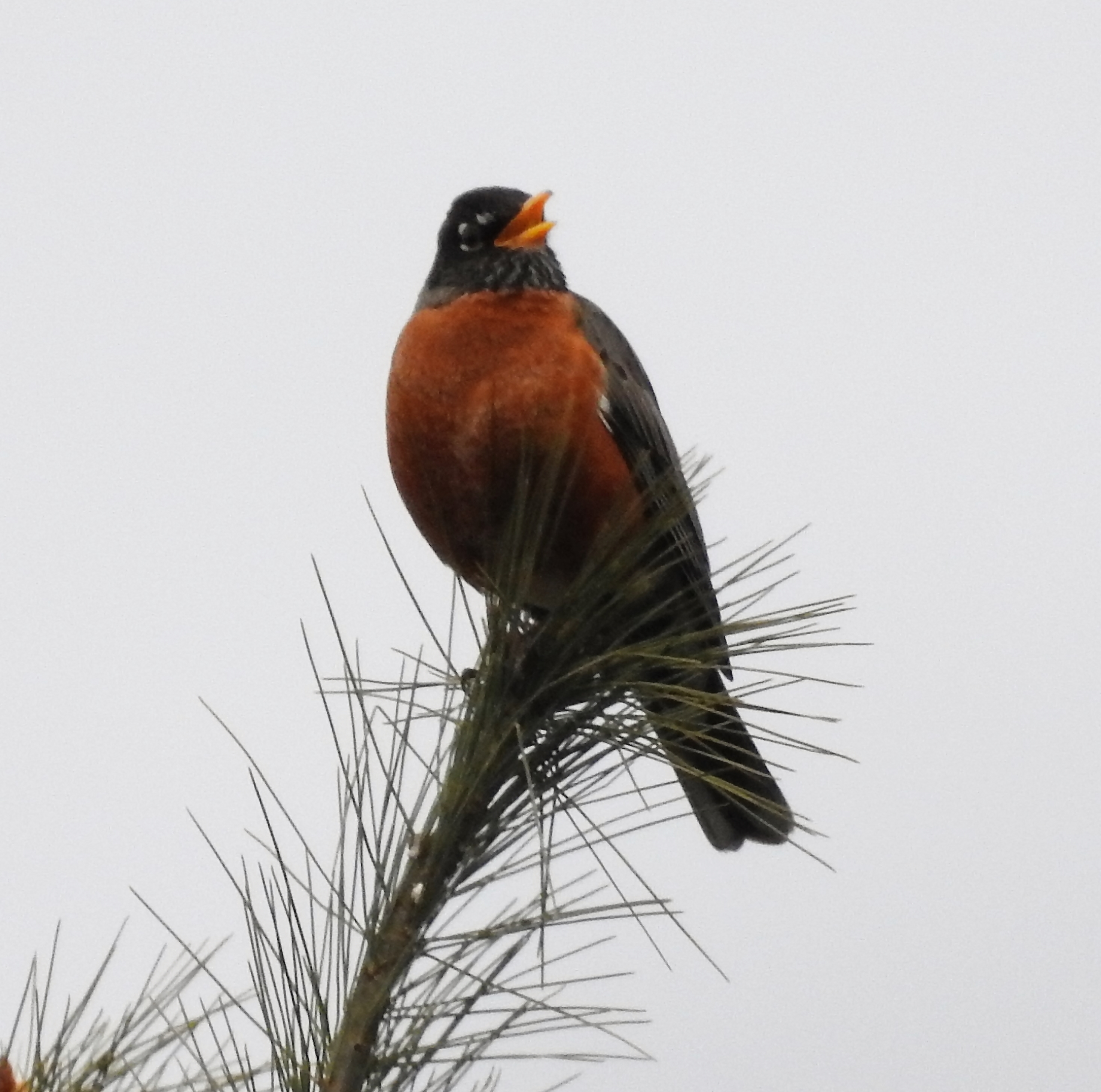
The past two days we’ve had a male robin in our backyard who has been singing his heart out from one tree top and then another. He is calling for a mate (the mating call is quite different from the sound of a robin defending territory.
The first two pictures below are from a previous summer (hence the grass). The bottom two pictures show lover boy at work.
Awake in the early hours, creeping from coffee pot to computer, I spy a gift above the tree line that makes the weary day ahead less bitter: suspended above the melting lake, a nearly-full moon hangs, indifferent to the madness of humans below. I watch whisps of clouds caught in the air current, silent travelers buffeting the moon. A southerly breeze moves them up the Eastern seaboard toward Washington County and the Bay of Fundy beyond.
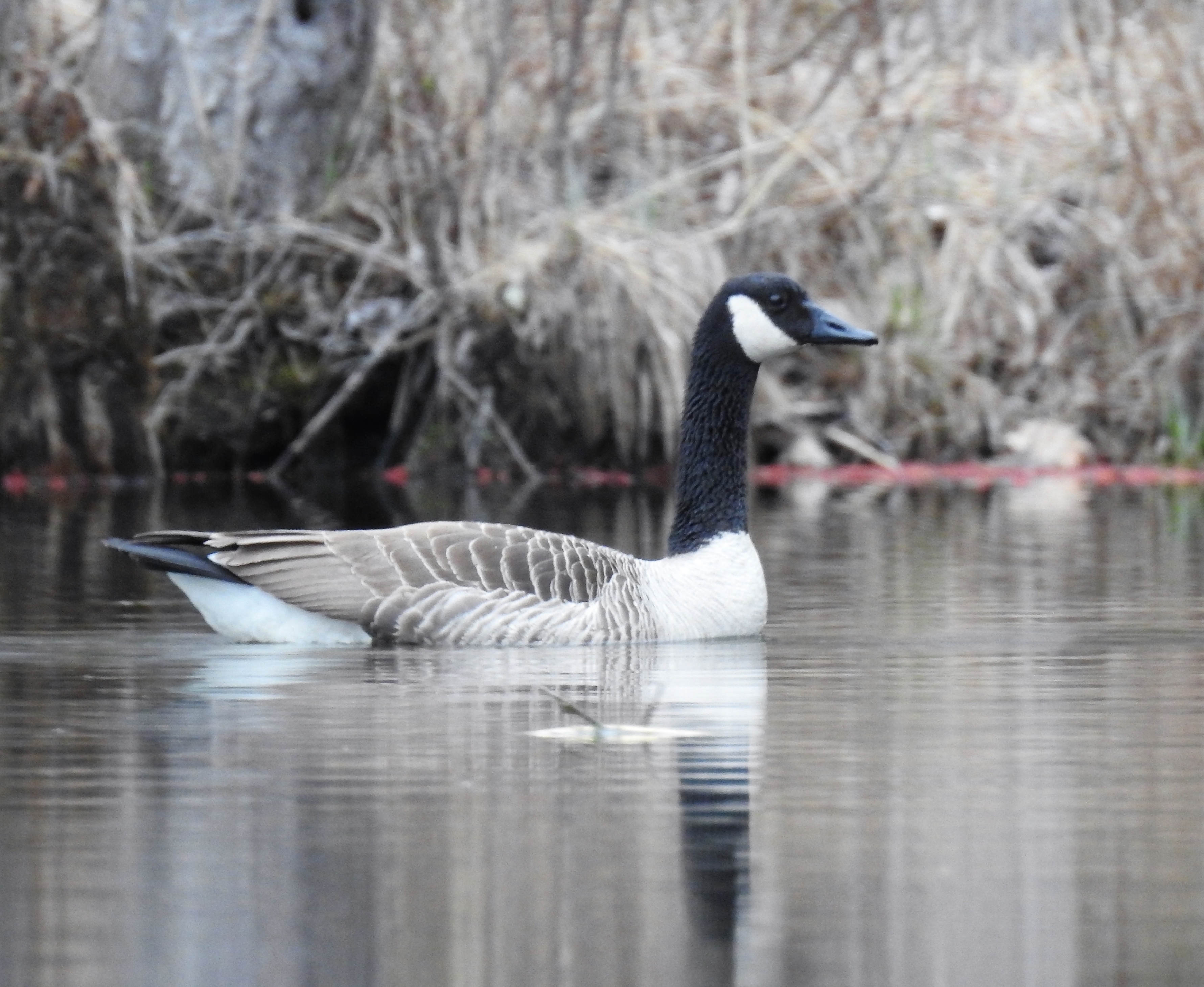
The night train, Old Faithful, has woken Moxie (our youngest Malinois) in the middle of the night again. After a trip to the backyard, we are in bed again, heads buried into pillows against the inevitability of morning. Moxie gives the household time to make some progress toward catching slumber where we left it before he wakes us again. The cause? A skein of geese slipstreaming through the night, sounding their return to familiar waters with raucous and nasal honks.
Mid-March is full upon us, and each day I hear new birdsong, see old friends back again. Geese. Red-winged blackbirds. Grackles. Eastern bluebirds. The birds that have over-wintered are becoming more active, focused on mating and nest building. I look forward to seeing who claims the nest under the deck this year – phoebes or robins.
Song sparrow (Melospiza melodia) in the yard last spring. This year spring arrives in Maine (and the entire Northern Hemisphere) on Sunday, March 20, 2022, at 11:33 a.m. I began to hear red-winged black birds two weeks ago, and two nights ago I heard several geese fly over.
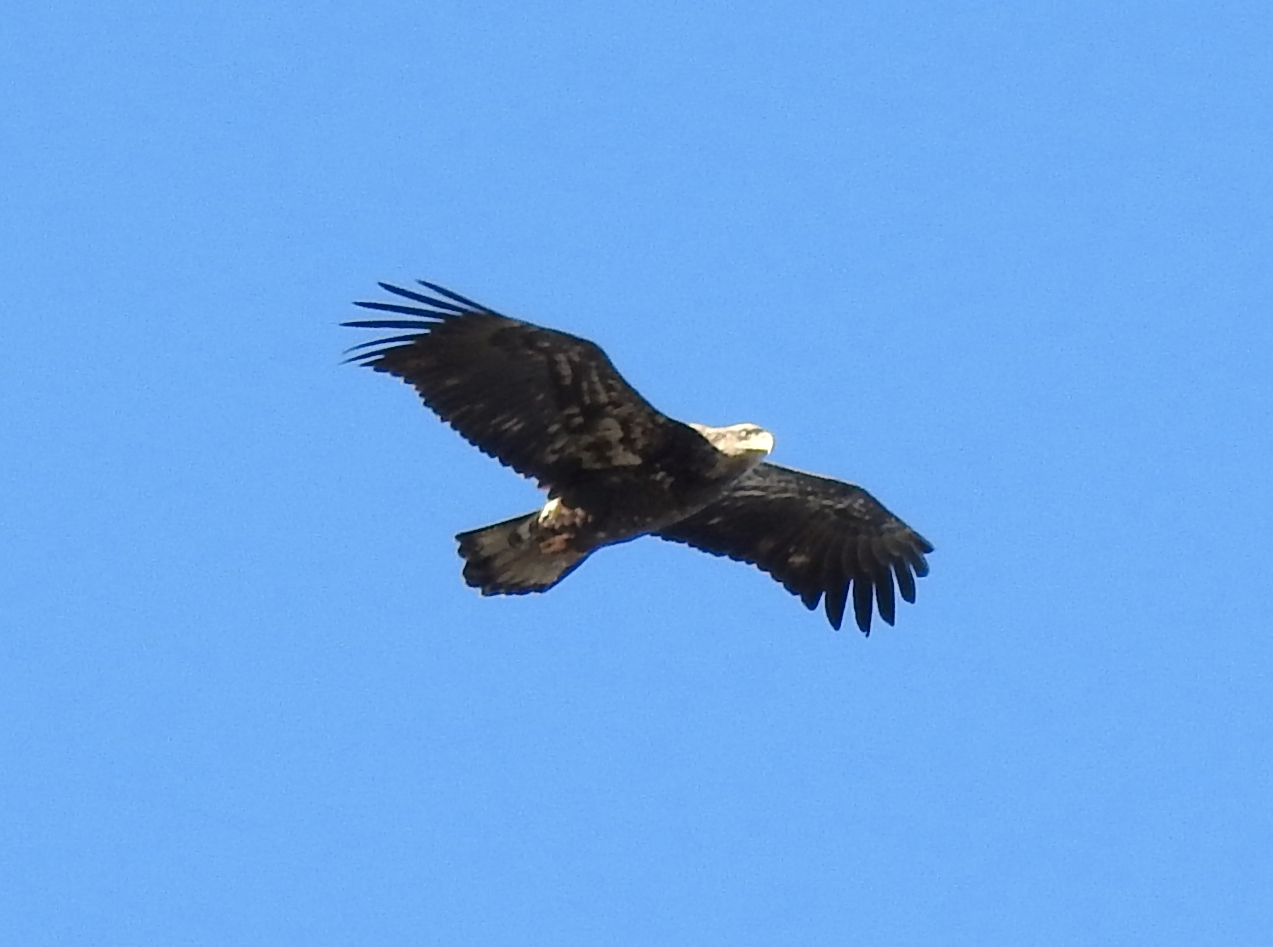
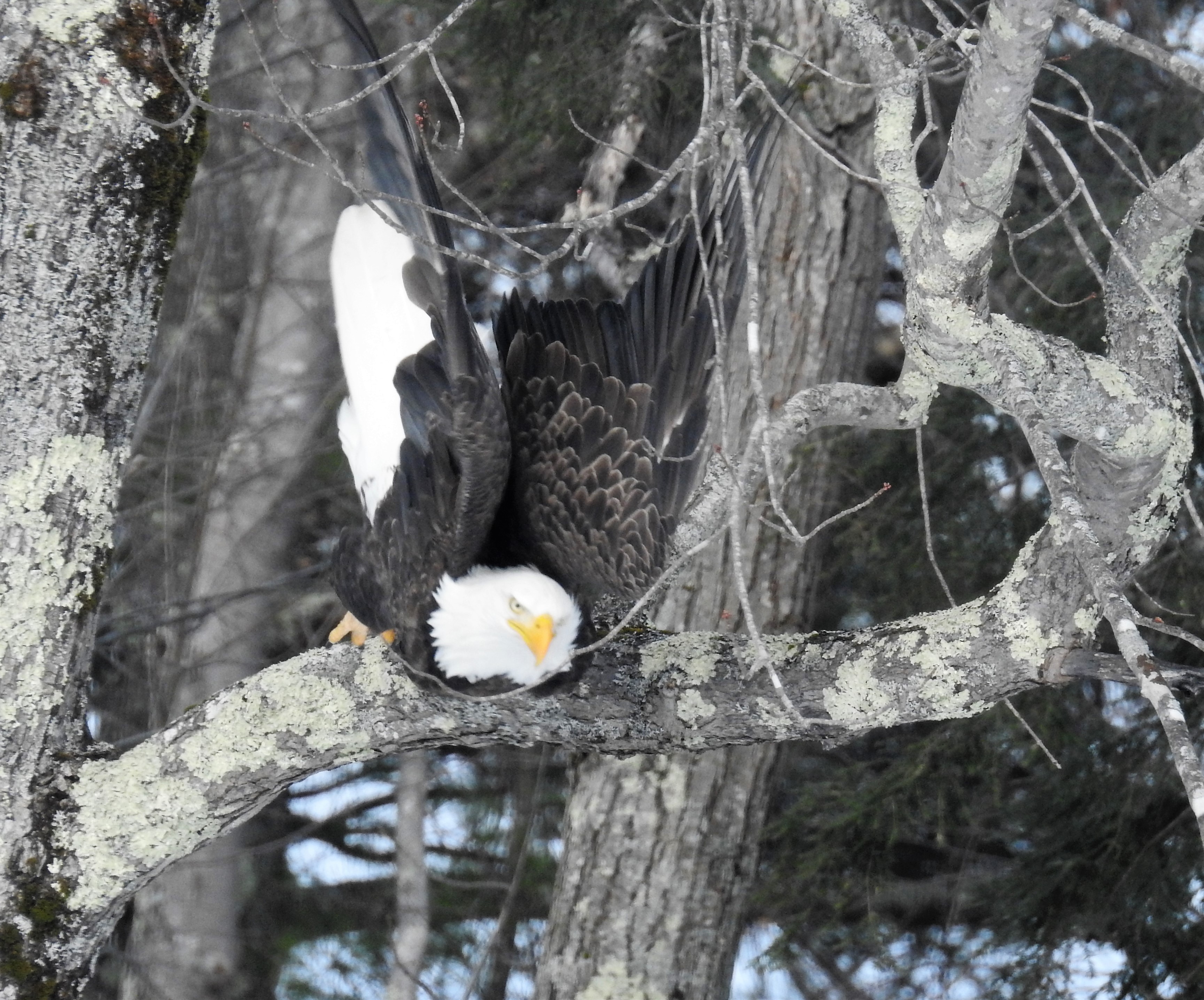
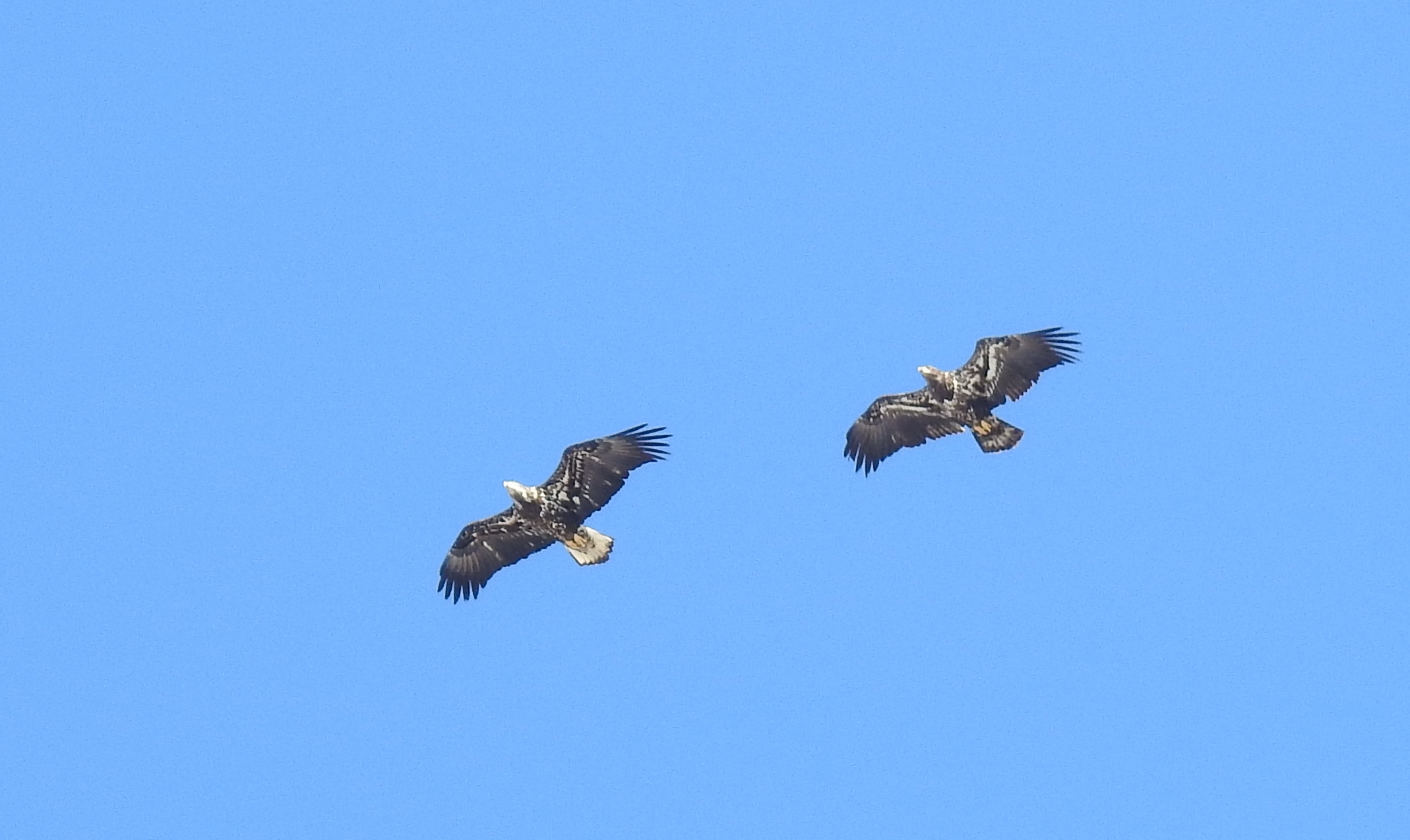
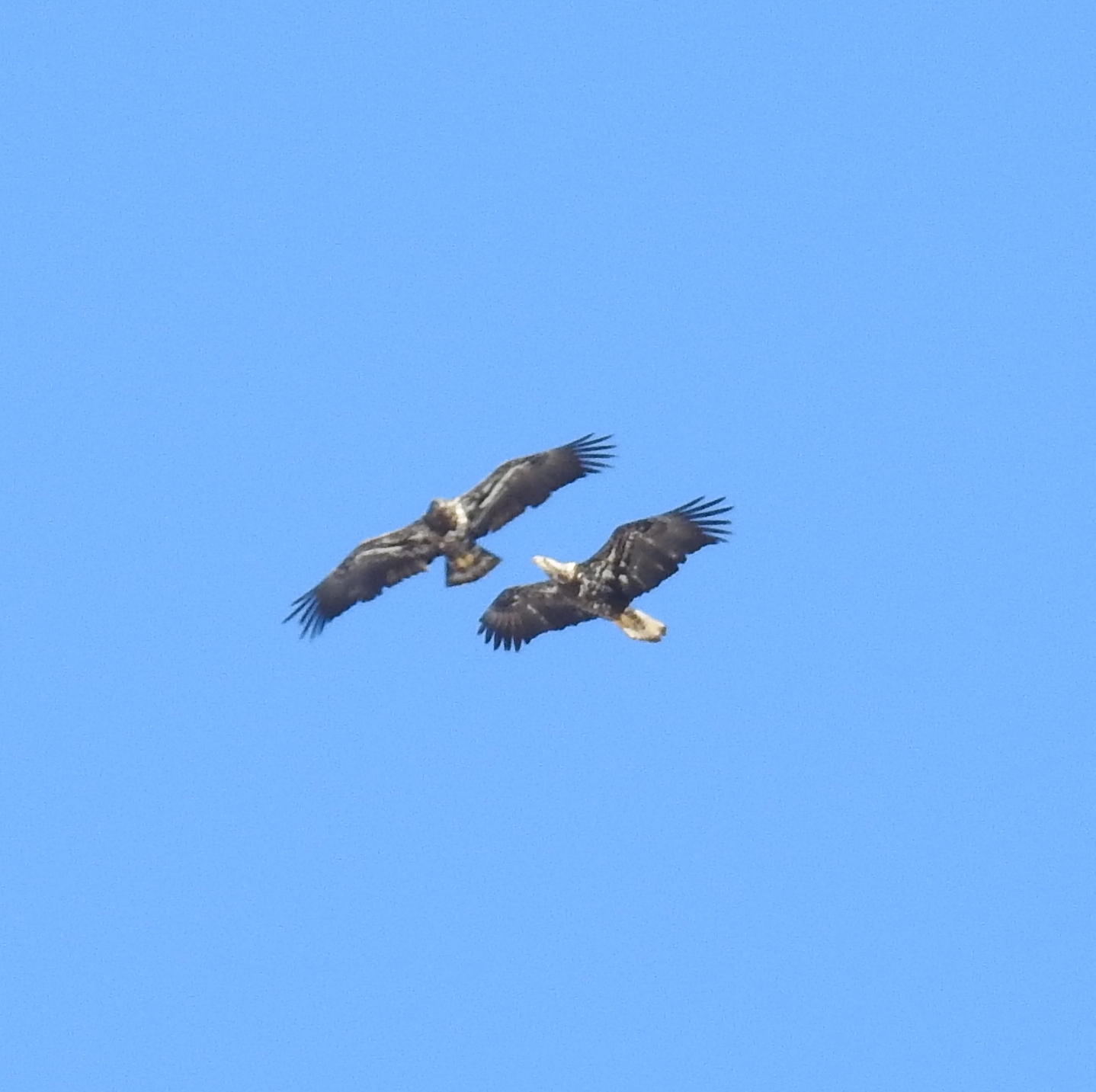
Earlier in the week, two juvenile eagles put on a show for a few brief minutes.They were pretty high up and moving fast, so the pictures aren’t great, but still fun to share. This one in particular is a bit blurry but I loved how the eagle on top was looking down at the other one. This juvenile is a bit blurry too but I love the look on his (her?) face.
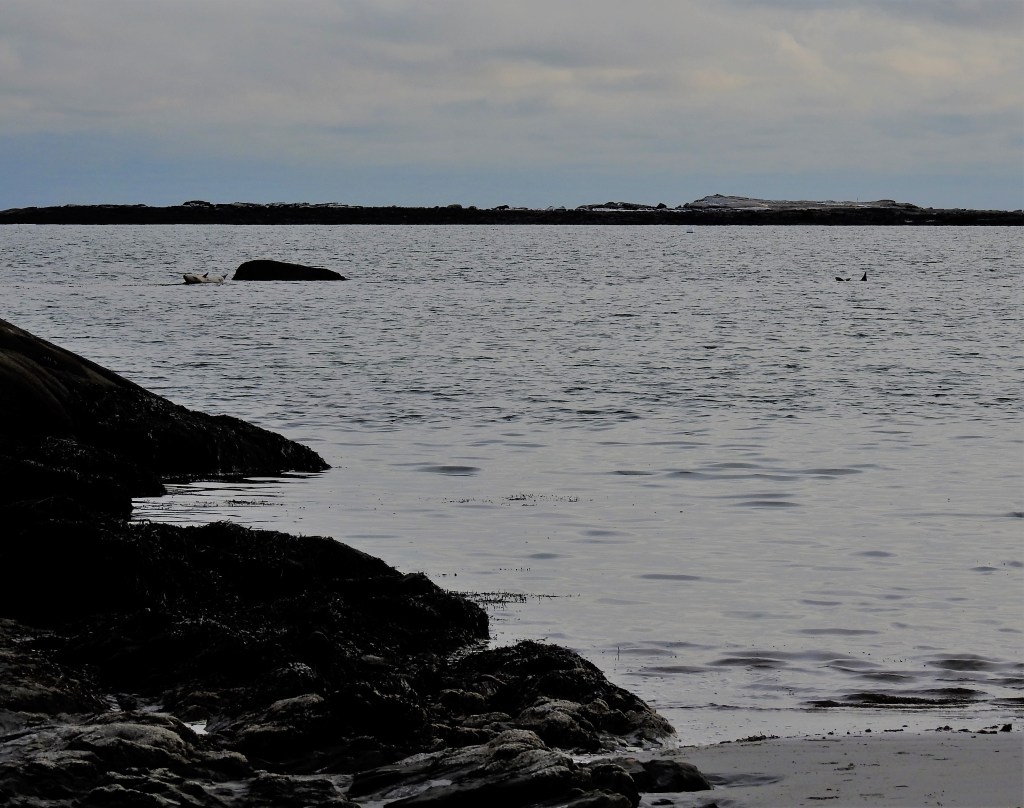
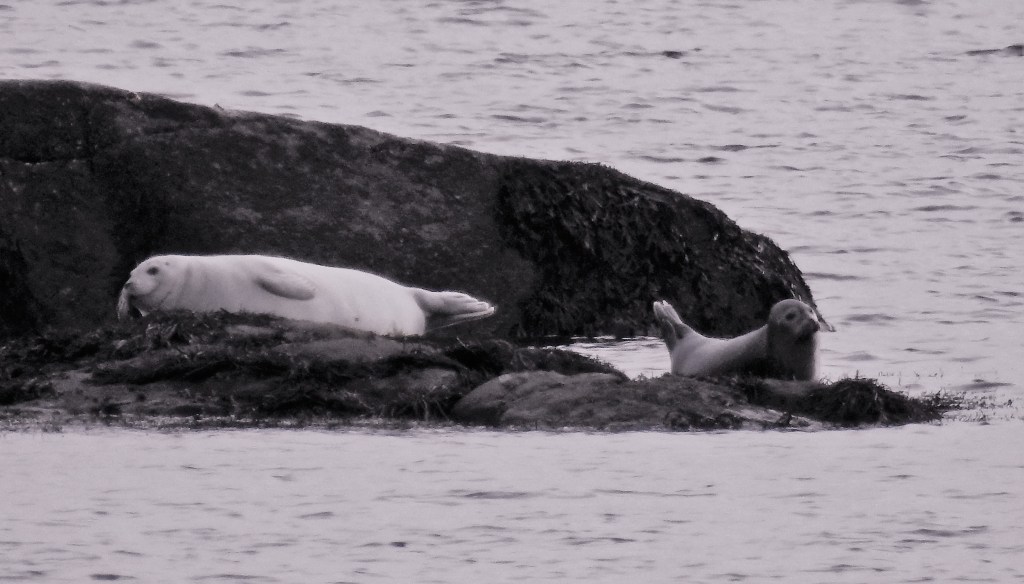
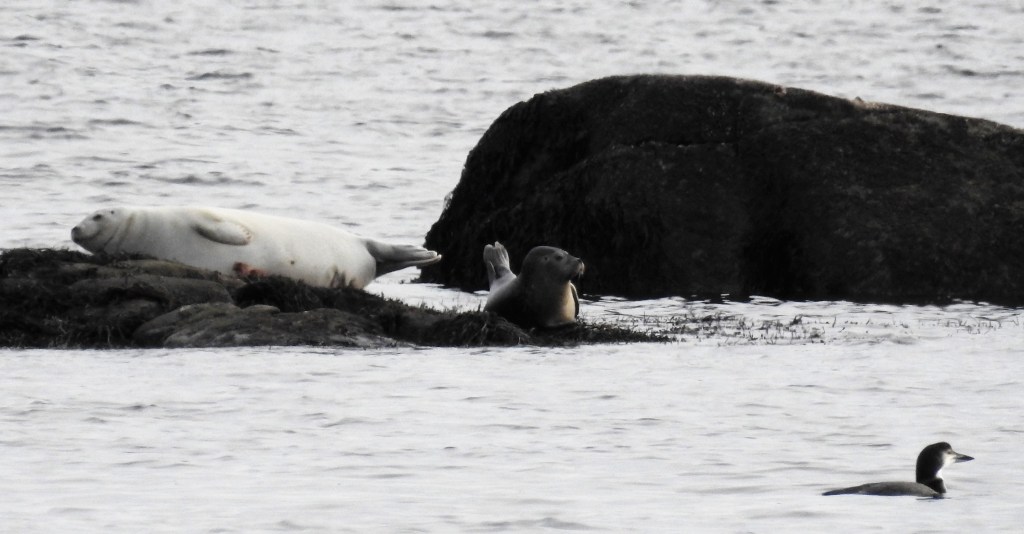
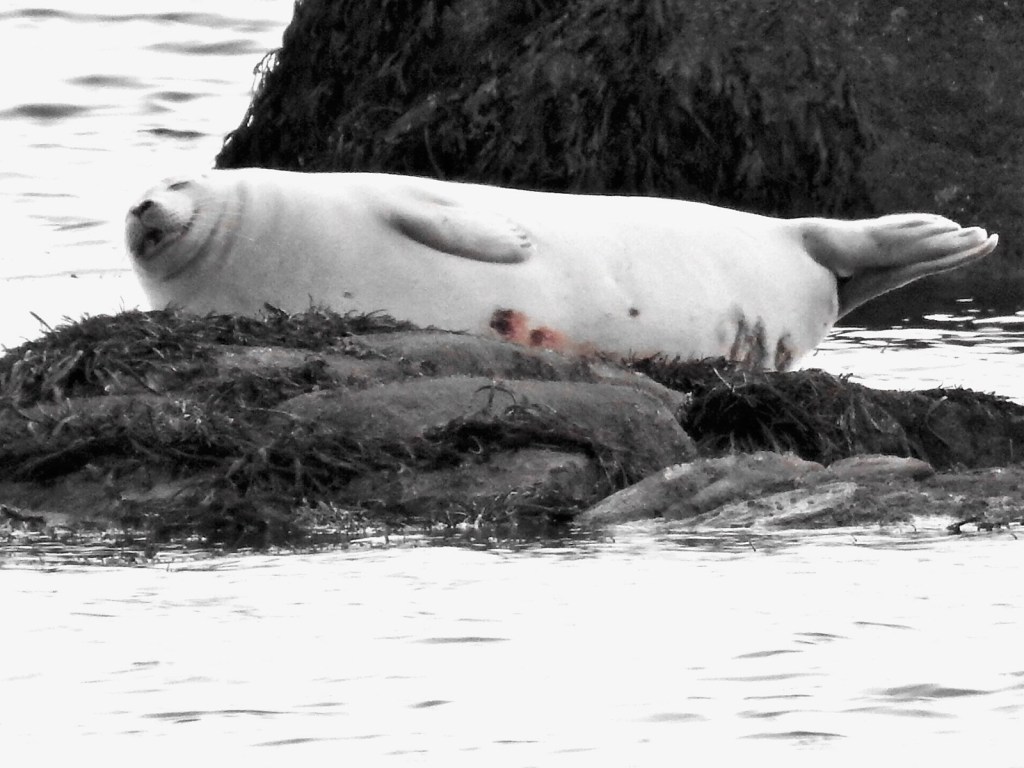
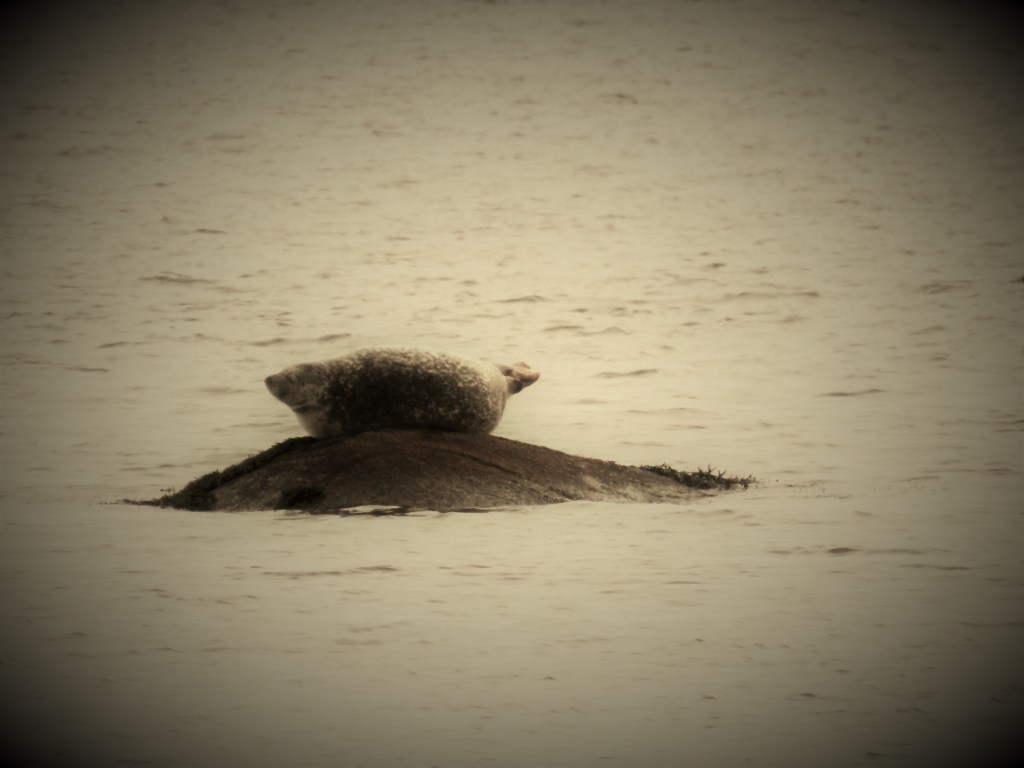
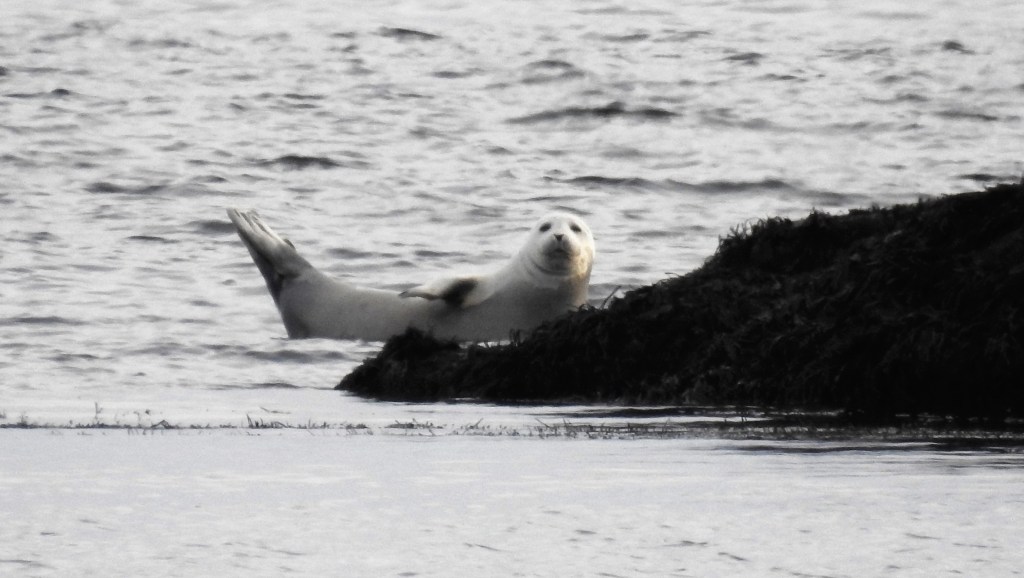
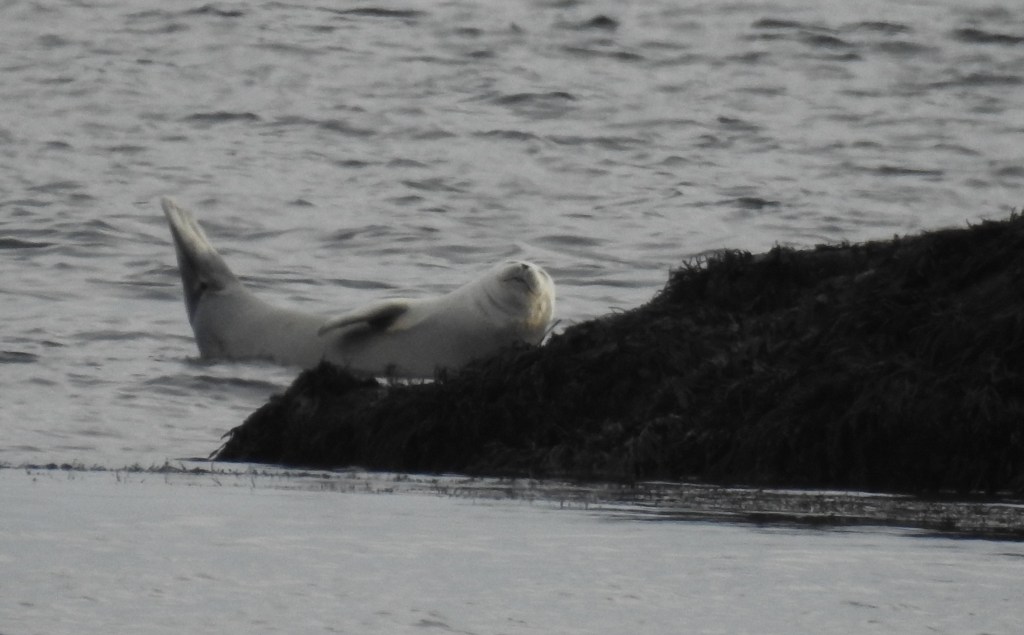
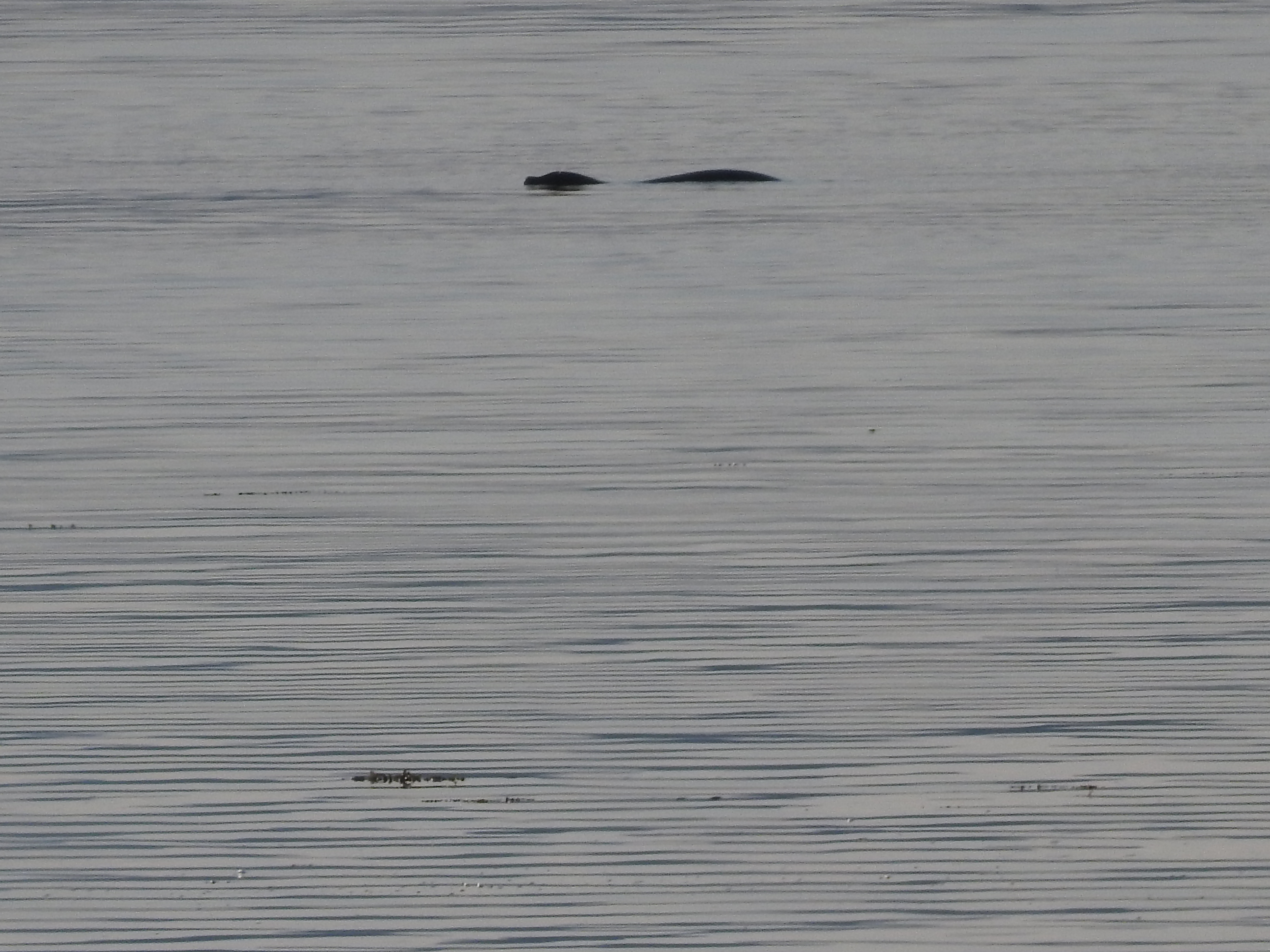
This weekend, Derek and I spent a night in Kennebunkport, in a room in an old sea captain’s home (built with money from the slave trade, sadly.) The houses that perch on this rocky coastline are magnificent and jaw-dropping and a tremendous display of wealth and privilege. We felt as if we had landed on another planet. I’ll take Millinocket over Kennebunkport any day of the week. But we were glad to experience these communities and visit Kennebunk Beach and Goose Rocks Beach. The photo here is a distant shot of the seals at Goose Rocks Beach. I took this shot as I was leaving. After a brief visit at Kennebunk Beach, we drove about 15 minutes to Goose Rocks Beach. Access to this beach is from a public road, through a short trail that cuts between private homes. A barking dog scolds as you pass by, and signs on wooden fencing promise to cut your bike lock without warning if you have the audacity to peddle to the beach and hook your bike to a rich man’s private fence. The rock retaining wall in front of the house with the barking dog has its own signage to warn beach goers to stay OFF the retaining wall, as it too is private property. Public access to Goose Rocks Beach has been in the courts for several years, with 28 private land owners arguing that the public had no right to use the beach. Maine’s Supreme Court finally decided that the public can cut through that path and use the beach. I did not feel welcome. But I’m glad we went because this is where we saw the seals. It was mid-afternoon on Sunday, December 21, under gray skies, with temps in the teens. Spotted these two seals (and four others) about 200 yards off shore. The tide was out so I climbed onto some rocks for a better view. A loon swam slowly past the seals. With the zoom on my camera I was able to see that this guy appears to have some fresh wounds.To my amazement, once the smaller seal noticed me on top of a rock (in a red jacket), pointing a strange black object at the bleeding seal, she moved herself into position to cover his open wounds. And she wouldn’t rest or look away. I was clearly stressing her so I departed.This fat old fellow was out there too, blending in nicely with the rock. (Well, sort of.)This seal was enjoying a submerged rock. In the 15 minutes I was there taking photos the tide started coming in fast enough that he was partially submerged by the time I left.This seal kept alternating between looking at me (above) and ignoring me (below).
















 The Nature of Maine